Fashion House
Egoyibo Okoro
Luxury Ready-to-Wear
Architectural silhouettes. Cultural craftsmanship. Contemporary luxury.
Every collection is designed by Egoyibo Okoro and developed on the Akwa platform, bridging design, production, and heritage.
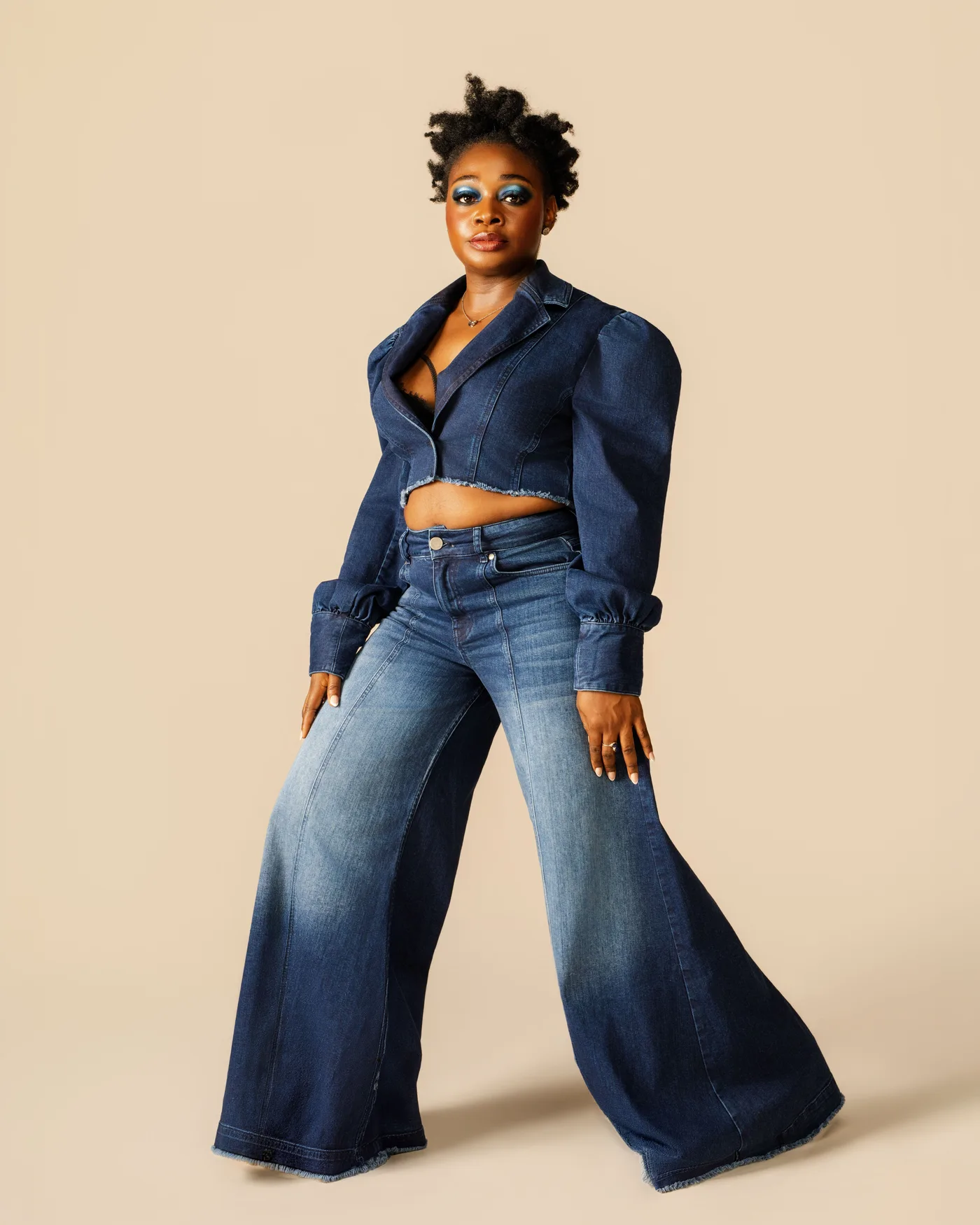
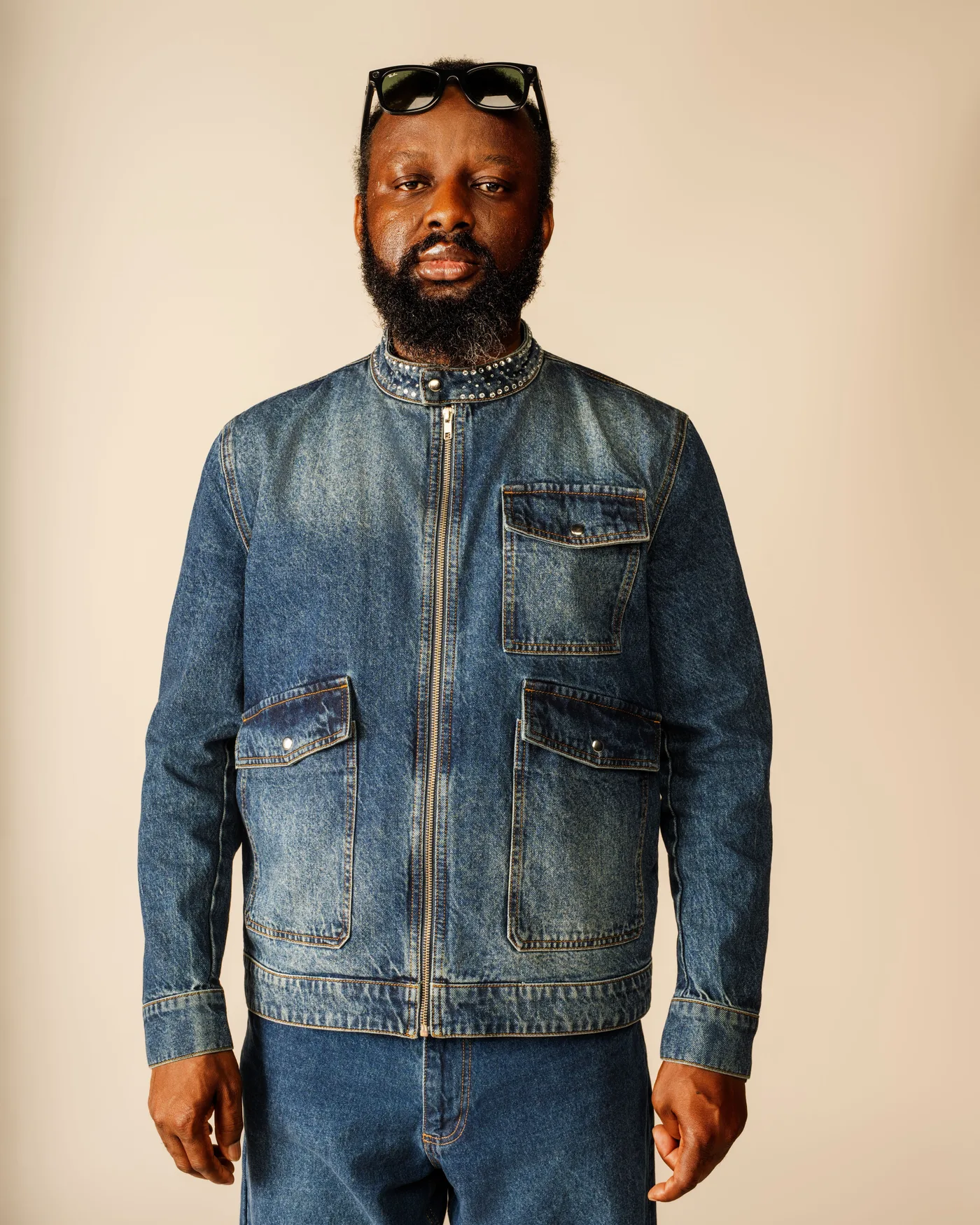
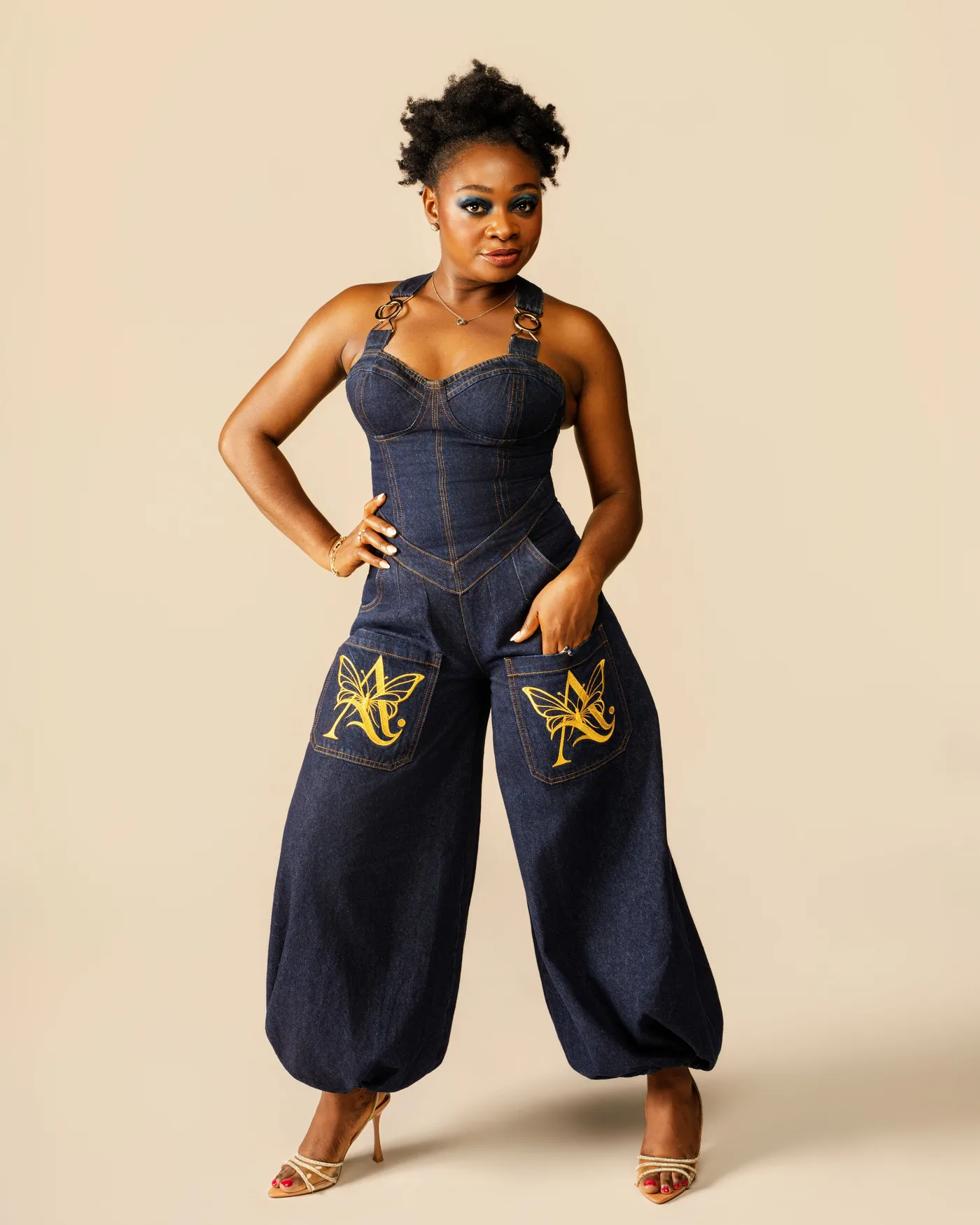
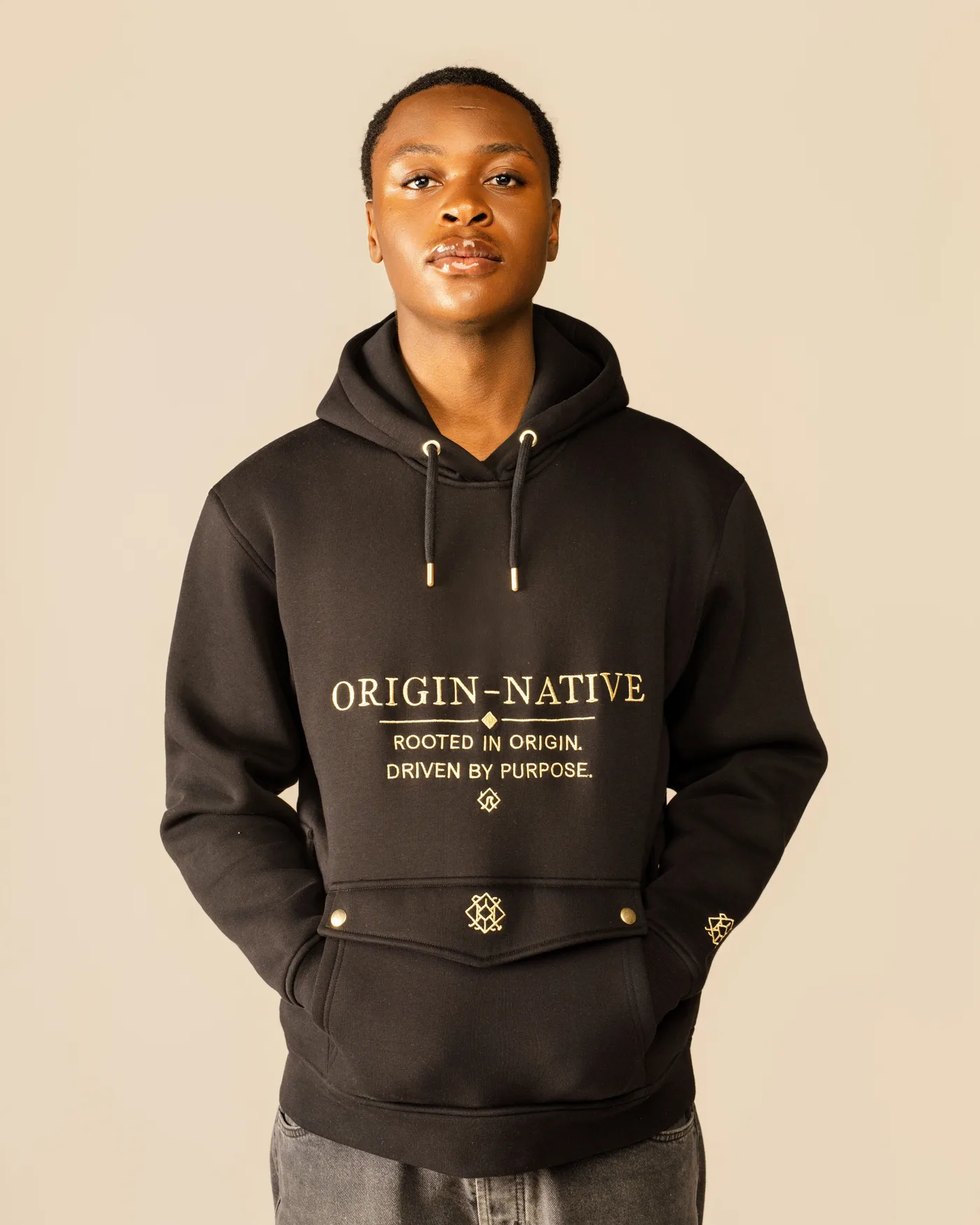
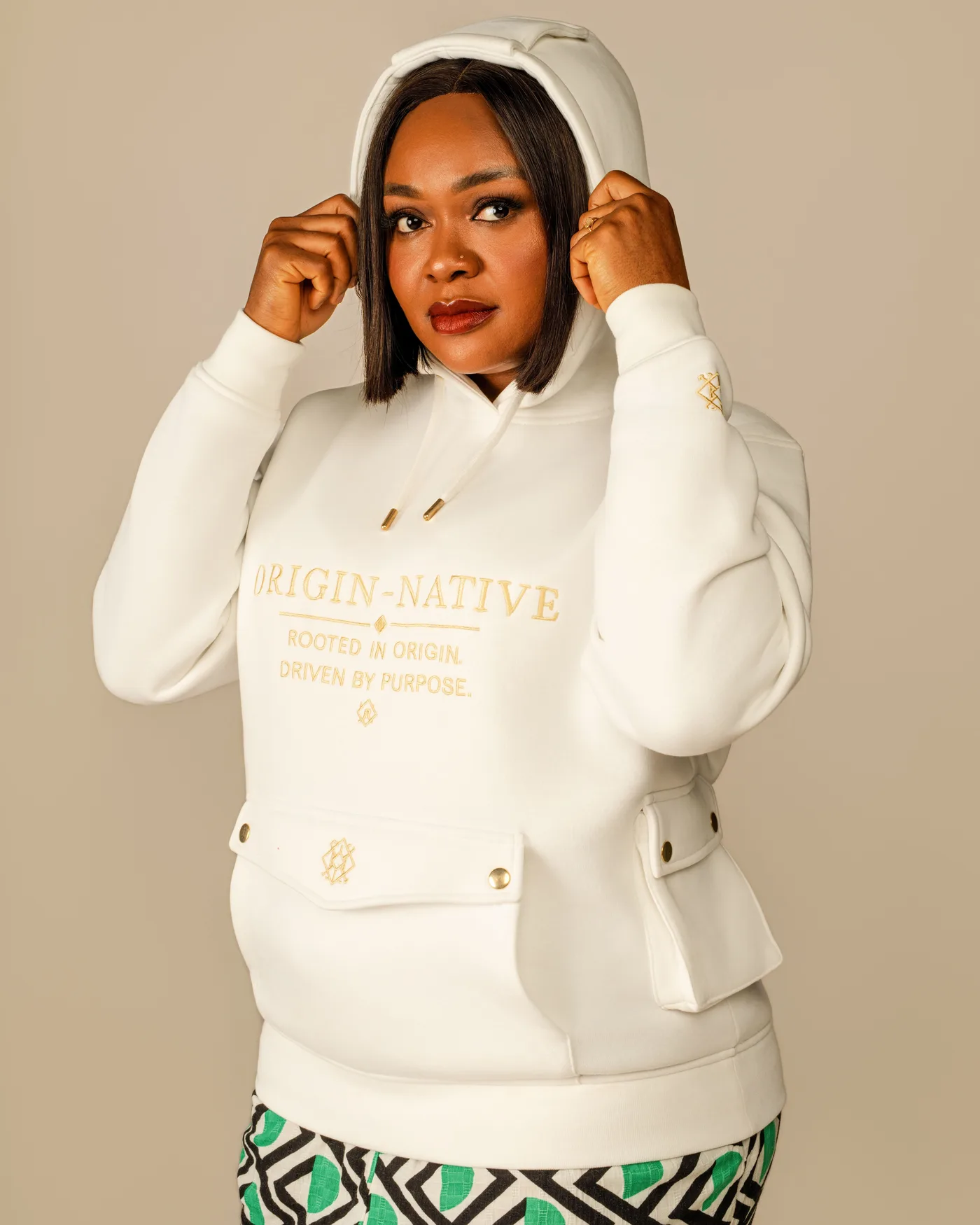
DENIM DEBUT · THE HOODIE EDIT
Drop 01
Collection 01
Denim Debut and The Hoodie Edit. Designed in Rotterdam and crafted in Turkey. Ships from early October.

The Story
Egoyibo Okoro spent over a decade practising law before she designed her first garment.
Trained as a lawyer, she built a career in privacy and data protection across Europe and the Gulf, the kind of work built on precision, structure, and reading the fine print no one else wants to read. None of it, on paper, leads to a fashion house.
But origin has a way of asserting itself. Okoro is Igbo, a people whose relationship to cloth runs deep enough that akwa, the word for clothing itself, carries the weight of identity, craft, and inheritance. That relationship did not leave when she became a lawyer. It waited.
Egoyibo Okoro, the house, is what happened when it stopped waiting. Built on a design philosophy the studio calls Origin-Native: the belief that the most honest design work starts by asking where a thing actually comes from, and builds forward from there rather than borrowing a story that is not its own.
Every collection begins with a textile tradition, a construction technique, or a silhouette with real provenance, Igbo, Yoruba, Dutch, or otherwise, and is developed into something contemporary, considered, and wearable. Nothing is decorative for its own sake. Origin is the starting material, not the marketing.
Egoyibo Okoro is founded in Rotterdam, designed in Akwa and crafted with a growing network of specialist manufacturing partners and artisans across Europe, Africa and beyond, each chosen not for convenience, but for exceptional mastery in its craft.
The Philosophy
Origin-Native. Design that starts from where something is actually from, not where it is convenient to say it is from.
Why Akwa
Every Egoyibo Okoro garment is developed on the Akwa platform, from design ideation and technical packs to production workflow. The house exists not only to make exceptional garments, but to demonstrate what is possible when technology serves craftsmanship, not the other way round.
Designed on the Akwa platform.